

How Influencer Marketing Is Evolving
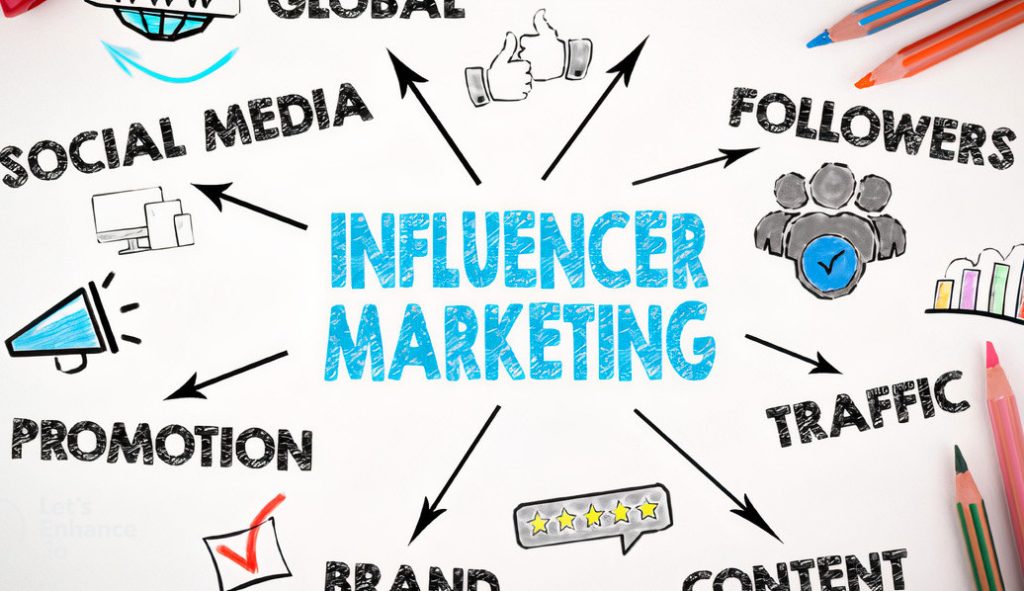
Influencer marketing has undergone a massive transformation over the past decade. What began as informal product gifting and celebrity endorsements on early social platforms has matured into a sophisticated, multi-billion dollar pillar of modern digital commerce. In the early days of social media, brands measured campaign success almost entirely by vanity metrics such as total follower counts and surface-level likes. Today, the landscape is defined by data-driven performance, strict regulatory compliance, long-term brand ambassadorships, and the rise of the broader creator economy.
As consumer behaviors shift and social media algorithms prioritize original, engaging storytelling, the strategies required to succeed in influencer marketing have grown increasingly intricate. Businesses can no longer rely on superficial product placements or one-off transactional posts. Instead, modern influencer marketing demands authentic creator integration, omnichannel amplification, and transparent return on investment.
The Shift from Celebrity Endorsements to Niche Creators
In the early stages of influencer marketing, brands poured massive budgets into top-tier celebrities and mega-influencers boasting millions of followers. While these partnerships delivered broad awareness, they frequently failed to drive meaningful audience engagement or reliable sales conversions. Consumers quickly developed ad fatigue toward generic, highly polished endorsements that felt disconnected from real-world usage.
This realization prompted a permanent shift toward micro-influencers and nano-influencers who command smaller, tightly knit communities.
-
High Engagement Rates: Creators with smaller audiences typically maintain closer, more conversational relationships with their followers, resulting in significantly higher comment rates and click-through metrics compared to celebrity accounts.
-
Cost Efficiency and Risk Distribution: Rather than risking an entire quarterly campaign budget on a single celebrity, brands can partner with a diverse cohort of smaller creators, testing multiple creative angles across different customer demographics.
-
Hyper-Targeted Market Segmentation: Niche creators specialize in distinct subjects, ranging from sustainable fashion and home renovation to enterprise software and culinary techniques, allowing brands to reach relevant, qualified prospects directly.
Audiences increasingly view micro-creators as trusted peers rather than distant spokespeople, making their recommendations far more persuasive in purchasing decisions.
Moving from Transactional Sponsorships to Long-Term Ambassadorships
The era of the one-off sponsored post is rapidly fading. Early campaigns often treated influencers like digital billboards, booking single posts to push a seasonal promotion. However, modern consumers can easily identify transient sponsorships, which diminishes trust in both the creator and the brand.
To build genuine credibility, forward-thinking brands are shifting their resources toward long-term brand ambassadorships.
-
Sustained Narrative Building: Long-term partnerships allow creators to organically weave a brand into their ongoing lifestyle and routine, showcasing real-world durability and repeated use over many months.
-
Higher Creator Investment: When influencers establish an ongoing relationship with a brand, they gain a deeper understanding of the product features, messaging guidelines, and brand values, producing higher-quality, more thoughtful content.
-
Operational and Contracting Efficiencies: Retaining a dedicated roster of trusted creators eliminates the recurring administrative costs and onboarding delays associated with constantly sourcing, vetting, and negotiating with new talent for every promotional cycle.
Ongoing collaborations turn creators into authentic brand champions whose audience sees the product as an integral part of the creator daily life.
Performance-Driven Metrics and Granular Attribution
Marketing executives increasingly demand clear attribution models for every dollar allocated to influencer campaigns. The historical reliance on estimated impressions and broad reach has been replaced by lower-funnel performance tracking and incremental revenue analysis.
-
Conversion Tracking: Brands utilize dedicated affiliate tracking links, personalized promotional codes, and custom landing pages to measure exact sales volume generated by individual influencers.
-
Incrementality and Lift Studies: Advanced marketing teams run randomized control group tests and geo-targeted lift studies to isolate the true baseline revenue impact directly caused by creator campaigns.
-
Performance-Based Compensation Models: Contracts increasingly blend flat creation fees with performance-based bonuses, commissions on gross merchandise value, or tiered payouts tied to verified leads and sign-ups.
This analytical rigor allows marketing teams to optimize their creator rosters dynamically, doubling down on high-performing partnerships while phasing out channels that fail to generate measurable returns.
Content Licensing, Whitelisting, and Paid Amplification
Influencer marketing no longer operates in a separate silo from paid media advertising. Today, creator-generated content serves as one of the most effective creative assets for performance marketing teams.
User-generated content often outperforms polished corporate advertisements because it looks natural in social feeds. Consequently, brands are actively securing extended content licensing and digital usage rights within creator contracts.
-
Creator Whitelisting and Partnership Ads: Brands run paid advertising directly through the creator’s social handle with explicit permission. This approach combines the authenticity of the influencer profile with the sophisticated targeting tools of paid advertising algorithms.
-
Cross-Channel Asset Repurposing: High-performing creator videos, product reviews, and unboxing clips are repurposed across brand-owned channels, including email marketing sequences, paid search landing pages, and on-site e-commerce product pages.
-
Creative Testing at Scale: Partnering with dozens of creators generates a steady supply of diverse visual hooks and messaging angles that paid acquisition teams can test rapidly to lower customer acquisition costs.
Blending organic creator trust with targeted paid media amplification maximizes the total return on creative production budgets.
Rise of Social Commerce and In-App Checkout
The friction between viewing an influencer recommendation and actually purchasing the product has decreased significantly. Social platforms have integrated native e-commerce infrastructure, transforming social feeds into interactive shopping environments.
-
Shoppable Tags and Integrated Catalogs: Creators can tag specific catalog products directly inside their videos, photos, and stories, allowing followers to browse sizing options, view pricing, and complete purchases without leaving the social app.
-
Live Stream Shopping: Interactive live broadcasts blend live demonstrations with real-time audience questions and time-sensitive discount codes, creating urgency and driving high checkout conversion rates.
-
Affiliate Marketplace Integration: Built-in platform affiliate networks allow creators to browse approved brand products, generate tracked links, and earn automated commission payouts natively within social applications.
This frictionless checkout experience shortens the traditional consumer sales funnel from several days to a matter of seconds.
Stricter Regulations, Compliance, and Ethical Transparency
As influencer marketing has grown into a major industry, regulatory bodies such as the Federal Trade Commission have established strict disclosure guidelines to protect consumers from deceptive advertising practices.
Both brands and influencers face substantial legal penalties and public scrutiny if commercial relationships are concealed.
-
Clear and Conspicuous Disclosures: Commercial partnerships must feature prominent, unambiguous disclosure tags placed where users can easily see them without needing to expand hidden text descriptions.
-
Substantiation of Product Claims: Influencers cannot make unsubstantiated health, medical, or financial claims that the brand itself cannot legally make in standard advertising.
-
Brand Safety and Automated Compliance Monitoring: Companies utilize automated AI monitoring tools to audit creator posts in real time, ensuring that mandatory disclosure tags, copyright guidelines, and brand safety standards are consistently maintained.
Maintaining radical transparency protects consumer trust, preserves the creator reputation, and insulates brands from regulatory enforcement actions.
FAQ
How do micro-influencers differ from nano-influencers?
Nano-influencers generally have between 1,000 and 10,000 followers and consist of everyday consumers, local experts, or hyper-niche enthusiasts with exceptionally close ties to their community. Micro-influencers typically possess between 10,000 and 100,000 followers, offering a balanced combination of focused niche authority, professional content production quality, and substantial audience reach.
Why are vanity metrics like follower counts no longer reliable for evaluating creators?
Follower counts can easily be artificially inflated through automated bot accounts or engagement pods, providing no guarantee that real people are viewing the content. Marketers now prioritize engagement rate, audience demographics, comment sentiment, video completion rates, and historical sales conversion data over raw follower volume.
What is the difference between an influencer and a user-generated content creator?
An influencer is hired primarily for access to their established audience and personal distribution reach on social platforms. A user-generated content creator is commissioned specifically to produce authentic, relatable photo or video assets for the brand to use in its own paid ad campaigns, without requiring the creator to publish the content to their personal profile.
How does creator whitelisting benefit both the brand and the influencer?
Whitelisting allows the brand to optimize ad targeting, control the call-to-action button, and reach audiences beyond the creator organic follower base using the creator authentic handle. For the influencer, whitelisted campaigns run on the brand advertising budget, providing the creator with massive algorithmic exposure and new organic followers at no cost to them.
What are the primary factors that cause influencer marketing campaigns to fail?
Campaigns typically fail when brands choose creators based strictly on follower counts rather than audience alignment, force overly scripted messaging that ruins the creator authentic tone, run one-off posts without adequate promotional frequency, or fail to implement clear tracking mechanisms to evaluate performance.
How is artificial intelligence impacting influencer discovery and campaign management?
Artificial intelligence streamlines creator discovery by analyzing millions of social profiles to identify fake followers, verify audience demographics, evaluate historical performance trends, and predict campaign engagement rates. AI tools also assist in automated contract compliance monitoring, sentiment tracking, and content performance forecasting.
Can business-to-business brands successfully utilize influencer marketing?
Yes. Business-to-business influencer marketing focuses on industry thought leaders, keynote speakers, research analysts, and respected executives on professional platforms. These collaborations typically take the form of technical whitepaper co-authoring, podcast guest appearances, live panel discussions, and educational webinars that build authoritative enterprise credibility.
 The Evolution of Live Streaming in Digital Marketing
  Online Marketing: Strategies, Trends, and Best Practices for Digital Success
  Online Marketing: Strategies to Drive Growth and Maximize ROI
  Good reasons to Hire a web-based Marketing Company
  Selecting the very best Internet Marketing Company
  The Essence Of Internet Marketing Specialist For Small Company
  A Comprehensive Guide to Modern WiFi Technology
  How Content Delivery Networks Speed Up the Web
  The Evolution of Operating Systems Across Platforms