

The Evolution and Impact of Gadgets in Modern Life
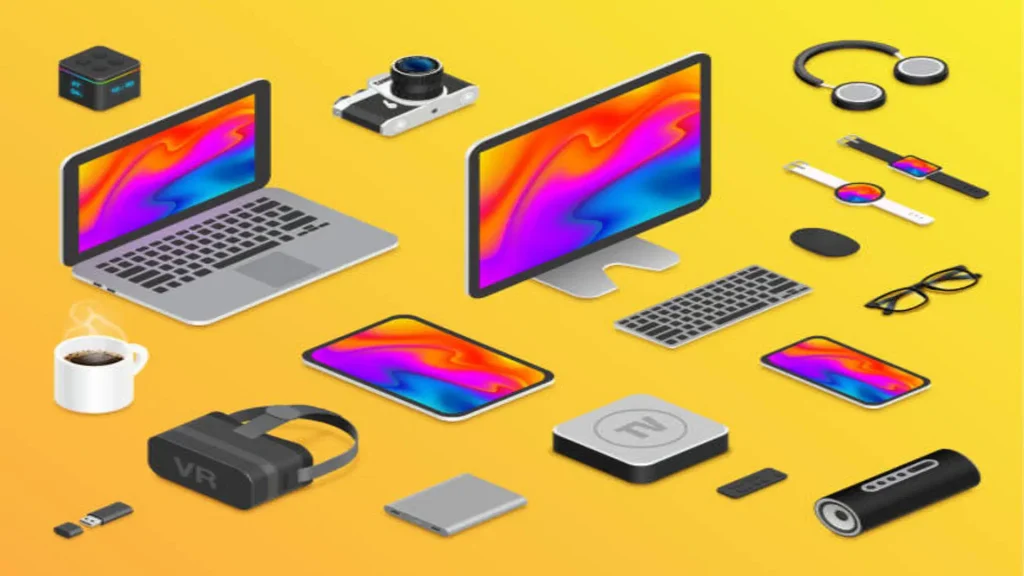
In the modern era, the term gadget has transcended its simple definition to signify devices that combine functionality, convenience, and innovation. Gadgets are no longer just tools; they are extensions of human capability, shaping the way we work, communicate, and entertain ourselves. Understanding the evolution of gadgets, their technological advancements, and their societal influence provides critical insight into why these devices are integral to contemporary life. Whether in the form of smartphones, wearable devices, or smart home equipment, gadgets have become indispensable in our daily routines.
Defining Gadgets: Beyond the Device
At its core, a gadget is a small technological device designed to perform a specific function efficiently. Unlike general-purpose machines, gadgets often focus on solving targeted problems or enhancing convenience. Key characteristics of gadgets include:
- Compactness: Most gadgets are portable and designed for ease of use.
- User-centric design: Modern gadgets prioritize intuitive interfaces and accessibility.
- Innovation-driven functionality: They often introduce new ways to accomplish tasks, offering unique solutions that standard devices cannot.
Gadgets can range from everyday essentials like smartphones to niche tools like digital thermometers, smart pens, or wearable fitness trackers. Their unifying feature is the ability to improve human efficiency, whether in professional, educational, or personal contexts.
The Historical Trajectory of Gadgets
The concept of gadgets has existed long before the digital age. Early examples included mechanical tools, pocket watches, and small inventions designed for convenience. The 20th century, however, marked a significant transformation in gadget development.
Early 20th Century Gadgets
- Mechanical Innovations: Devices like the typewriter and the phonograph redefined productivity and entertainment.
- Electrical Advancements: The introduction of radios and compact home appliances began integrating electricity into daily life, laying the groundwork for modern electronics.
Late 20th Century: Digital Revolution
- Personal Computing: Laptops and desktop computers revolutionized information processing, creating a new class of portable productivity gadgets.
- Mobile Communication: The emergence of cell phones in the 1980s and 1990s transitioned gadgets from stationary tools to mobile companions, enabling constant connectivity.
21st Century: Smart Gadgets
The 2000s ushered in an era of smart gadgets capable of integrating with the internet and other devices. Innovations included:
- Smartphones: Combining communication, computing, and entertainment into one handheld device.
- Wearables: Smartwatches and fitness trackers offering real-time health analytics.
- Smart Home Devices: Gadgets like voice-controlled assistants and smart lighting systems enhancing convenience and energy efficiency.
Categories of Modern Gadgets
Modern gadgets can be classified based on functionality, integration, and purpose. Understanding these categories helps users make informed choices tailored to their needs.
Communication Gadgets
Devices designed to enhance interaction remain at the core of gadget development. Examples include:
- Smartphones with advanced operating systems.
- Tablets that combine mobility with productivity.
- Portable translation devices for travelers.
Health and Fitness Gadgets
The health-conscious culture of today has fueled demand for gadgets that monitor physical well-being:
- Fitness trackers measuring heart rate, sleep patterns, and calorie expenditure.
- Smart scales offering body composition analysis.
- Wearable ECG monitors and other medical-grade devices enabling remote health monitoring.
Entertainment Gadgets
Entertainment gadgets focus on delivering immersive experiences:
- High-definition portable gaming consoles.
- Wireless headphones with noise cancellation technology.
- Virtual reality headsets creating interactive digital environments.
Productivity Gadgets
These gadgets enhance professional efficiency and time management:
- Compact laptops and ultra-portable tablets.
- Smart styluses for digital note-taking.
- Multi-function printers and portable scanners for seamless document handling.
Smart Home Gadgets
Integration with the Internet of Things (IoT) has given rise to home automation devices:
- Smart thermostats controlling home climate efficiently.
- AI-enabled security cameras offering surveillance and real-time alerts.
- Voice-controlled smart assistants coordinating multiple smart appliances.
Technological Innovations Driving Gadget Development
Modern gadgets leverage cutting-edge technologies to offer improved functionality and user experience. Key technological trends include:
- Artificial Intelligence (AI): AI enables gadgets to anticipate user needs, automate tasks, and provide personalized experiences.
- Internet of Things (IoT): IoT connectivity allows gadgets to communicate seamlessly with other devices, creating an interconnected ecosystem.
- Advanced Sensors: From motion detection to biometric scanning, sensors enable precise and responsive functionality.
- Battery and Power Efficiency: Innovations in battery technology and low-energy consumption chips have made gadgets more portable and sustainable.
- Miniaturization: Shrinking components allow more features to fit into compact, ergonomic designs.
The Societal Impact of Gadgets
Gadgets influence nearly every aspect of modern life, redefining work, communication, education, and lifestyle habits.
Enhancing Productivity
Smart devices enable multitasking, remote work, and streamlined communication. For instance, a professional can manage emails, conduct virtual meetings, and analyze data directly from a tablet or smartphone, significantly increasing efficiency.
Improving Health Awareness
Wearable health gadgets encourage proactive monitoring, helping users identify potential health issues early. Integration with health apps allows tracking of long-term trends, promoting lifestyle changes for better well-being.
Shaping Social Interaction
While gadgets enhance connectivity, they also transform social dynamics. Social media apps, instant messaging, and video calls bridge geographical distances but can also contribute to over-reliance on digital communication.
Driving Innovation and Economic Growth
The gadget industry stimulates economic activity by creating new markets, job opportunities, and technological advancements. Companies constantly innovate to capture consumer attention, leading to competitive pricing and rapid adoption of new technologies.
Considerations When Choosing Gadgets
Selecting the right gadget requires a balance of performance, functionality, and cost. Key factors include:
- Purpose and Usage: Identify whether the gadget is intended for work, health, entertainment, or home automation.
- Compatibility: Ensure integration with existing devices and platforms.
- Battery Life and Portability: Consider the gadget’s usability in terms of mobility and energy efficiency.
- User Interface: Evaluate the ease of use and learning curve.
- Security and Privacy: Check for features that protect personal data, especially for connected devices.
Future Trends in Gadgets
The future of gadgets will be defined by intelligence, autonomy, and interconnectivity. Emerging trends include:
- AI-Powered Personal Assistants: Gadgets that understand context, preferences, and behavior patterns to provide predictive assistance.
- Augmented Reality (AR) and Virtual Reality (VR): Enhanced immersive experiences for education, gaming, and professional training.
- Eco-Friendly Gadgets: Devices designed with sustainable materials and energy-efficient technologies.
- Flexible and Wearable Electronics: New forms of wearable gadgets, including smart clothing and flexible screens, expanding mobility and functionality.
- Biometric Integration: Gadgets capable of precise health and security monitoring through fingerprint, facial recognition, and other biometric data.
Real-Life Applications of Gadgets
The impact of gadgets can be seen across different sectors:
- Education: Tablets and interactive e-learning devices enable remote learning and personalized instruction.
- Healthcare: Telemedicine gadgets facilitate remote patient monitoring and consultation.
- Travel: Smart luggage, portable translation devices, and GPS-enabled gadgets enhance travel efficiency.
- Workplace: Collaborative gadgets like smart projectors and connected office tools streamline workflows and reduce dependency on physical presence.
Advantages and Challenges of Gadget Usage
Advantages
- Increased efficiency and productivity.
- Enhanced communication and connectivity.
- Real-time health monitoring and safety features.
- Greater convenience in everyday tasks.
Challenges
- Over-dependence on digital devices may impact social skills.
- Privacy and security concerns related to connected gadgets.
- Rapid obsolescence due to fast-paced technological advancement.
- Environmental impact from electronic waste and unsustainable production practices.
Optimizing Gadget Usage
To maximize the benefits of gadgets, users should adopt conscious strategies:
- Regularly update software to ensure security and efficiency.
- Set boundaries to prevent overuse and maintain work-life balance.
- Utilize gadgets for purposeful tasks rather than passive consumption.
- Recycle or repurpose old devices to minimize environmental impact.
FAQs About Gadgets
1. How do gadgets influence productivity in modern work environments?
Gadgets streamline communication, automate repetitive tasks, and provide access to information in real-time, enabling employees to complete tasks more efficiently and manage multiple responsibilities effectively.
2. Are wearable gadgets accurate for health monitoring?
Most wearable gadgets provide reliable insights for general health tracking. However, they are not substitutes for professional medical devices and should be complemented with regular medical checkups for accurate health assessment.
3. What should I consider before buying a smart home gadget?
Key considerations include device compatibility with your home ecosystem, security protocols, ease of use, and energy consumption. Choosing gadgets from reputable manufacturers ensures better reliability and support.
4. How do AI gadgets personalize user experiences?
AI gadgets analyze usage patterns, preferences, and environmental context to adjust functionalities automatically. Examples include predictive typing, personalized fitness recommendations, and adaptive device settings.
5. Can gadgets negatively impact social interactions?
Excessive reliance on digital communication can reduce face-to-face interactions and affect emotional connection. Mindful usage, such as limiting screen time and prioritizing in-person communication, can mitigate these effects.
6. What is the environmental impact of gadget consumption?
Frequent upgrades and disposal of electronic devices contribute to e-waste. Sustainable practices include recycling, buying energy-efficient gadgets, and extending the lifecycle of devices through maintenance and software updates.
7. Are future gadgets likely to be more affordable or expensive?
As technologies mature and mass production increases, costs tend to decrease. However, cutting-edge innovations with high customization or AI integration may remain premium products initially.
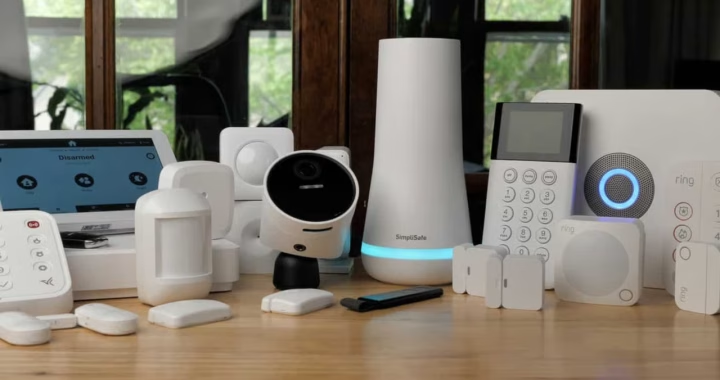 Top Energy-Efficient Smart Gadgets for Homeowners
  Essential Gadgets for Setting Up a Remote Office
  Downturn Proof Gadgets With the Cloud
 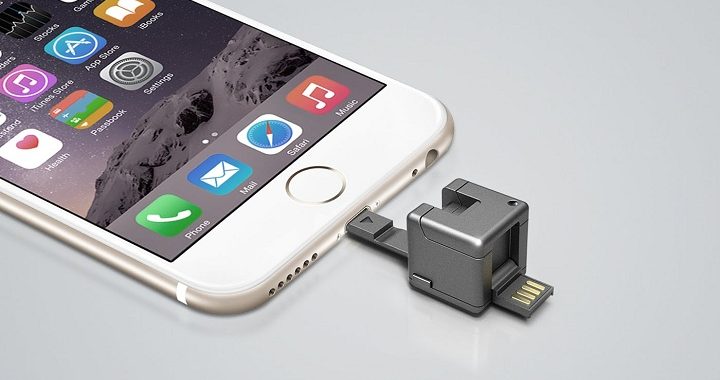 Awesome Smartphone Gadgets
 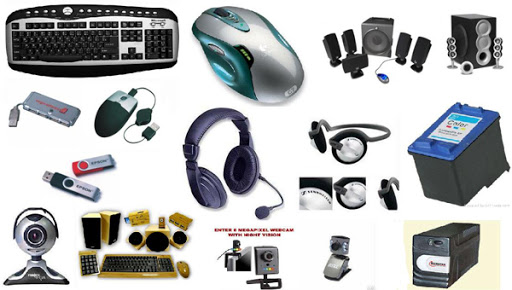 The Best Computer Gadgets On The Market
  Speaking Gadgets For Your Visually Impaired – Simplifying Existence
  A Comprehensive Guide to Modern WiFi Technology
  How Content Delivery Networks Speed Up the Web
  The Evolution of Live Streaming in Digital Marketing
  The Evolution of Operating Systems Across Platforms