

Online Marketing: Strategies to Drive Growth and Maximize ROI

In the modern digital economy, online marketing is no longer optional. Businesses, regardless of size or industry, rely on online marketing to reach target audiences, generate leads, and drive measurable results. Online marketing encompasses a broad set of strategies that leverage digital channels, analytics, and technology to create engagement and conversions. Understanding the depth and scope of online marketing can transform business outcomes and position brands for sustained growth.
As LinkedIn continues to play a key role in B2B marketing, businesses are turning to LinkedIn Management Services to maximise their reach and conversions. From optimised profiles to strategic content and outreach, these services help drive engagement, build networks, and support long-term business growth.
Understanding Online Marketing
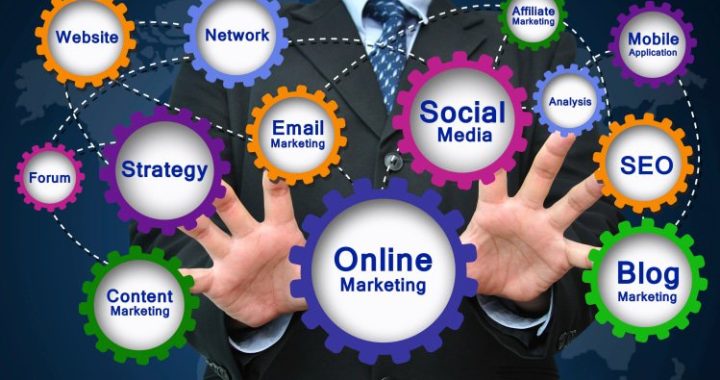
Online marketing, also referred to as digital marketing, is the practice of promoting products, services, or brands using digital channels such as search engines, social media platforms, email, websites, and mobile applications. Unlike traditional marketing, online marketing allows for precise targeting, measurable analytics, and real-time optimization.
Core Components of Online Marketing
- Search Engine Marketing (SEM): Paid advertising on search engines like Google allows brands to appear at the top of search results for high-value keywords. SEM campaigns provide immediate visibility and measurable ROI.
- Search Engine Optimization (SEO): SEO improves organic search visibility by optimizing website content, structure, and technical elements to rank higher in search results. SEO delivers long-term sustainable traffic growth.
- Social Media Marketing: Platforms such as Facebook, Instagram, LinkedIn, and Twitter provide opportunities for brands to engage audiences, build communities, and drive traffic. Paid campaigns on these platforms offer advanced targeting capabilities.
- Content Marketing: High-quality, relevant content such as blogs, videos, podcasts, and whitepapers attracts and retains audiences while establishing authority in a niche. Content marketing supports both SEO and brand credibility.
- Email Marketing: Targeted email campaigns nurture leads, drive conversions, and maintain customer relationships. Email marketing remains one of the highest ROI channels in online marketing.
- Affiliate Marketing: Collaborating with affiliates allows businesses to leverage third-party audiences to drive sales, often based on performance-based compensation models.
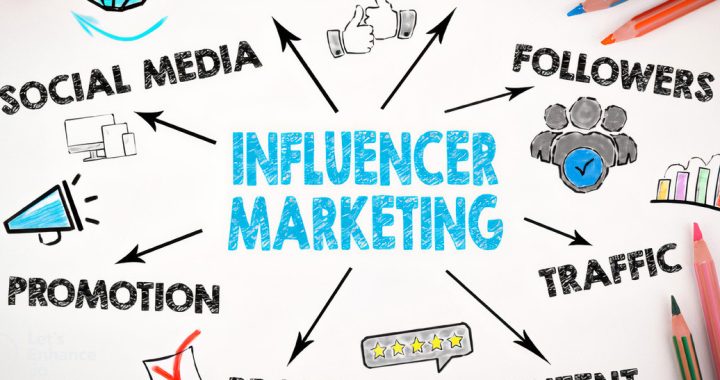
- Influencer Marketing: Partnering with influencers can extend brand reach and credibility, particularly in niche or highly-engaged communities.
Benefits of Online Marketing
Online marketing offers distinct advantages compared to traditional methods:
- Measurable Results: Advanced analytics track every interaction, click, and conversion.
- Global Reach: Digital channels allow businesses to reach audiences across geographies without physical limitations.
- Targeted Engagement: Audience segmentation ensures marketing messages reach individuals most likely to convert.
- Cost-Effectiveness: Compared to print, television, or radio, online marketing often delivers higher ROI per dollar spent.
- Scalability: Campaigns can be adjusted dynamically based on performance, enabling optimized resource allocation.
Online Marketing Strategies That Work
Effective online marketing requires strategic planning, execution, and continuous optimization. Businesses must integrate multiple channels to create a cohesive digital presence.
1. Data-Driven Decision Making
Data is the foundation of online marketing. Tools like Google Analytics, social media insights, and CRM systems provide insights into customer behavior, engagement patterns, and conversion rates. By leveraging data:
- Businesses can refine targeting and messaging.
- Identify underperforming campaigns and optimize them in real time.
- Measure lifetime value of customers and predict future behavior.
2. Search Engine Optimization for Maximum Visibility
SEO is essential for organic growth. High-ranking content drives free, consistent traffic and establishes brand authority. Effective SEO includes:
- On-Page Optimization: Keyword research, meta titles, meta descriptions, header structures, and content relevance.
- Technical SEO: Website speed, mobile optimization, crawlability, and schema markup.
- Off-Page SEO: Backlink acquisition from authoritative sources to improve domain authority.
- Local SEO: For businesses targeting specific regions, optimizing Google My Business profiles and local citations enhances visibility in local searches.
3. Pay-Per-Click Advertising
PPC campaigns provide instant visibility for competitive keywords. Platforms like Google Ads and Bing Ads allow businesses to target by demographics, location, device, and search intent. Best practices include:
- Conducting thorough keyword research.
- Creating compelling ad copy with strong call-to-action elements.
- Using A/B testing for ad variations.
- Continuously monitoring and adjusting bids to maximize ROI.
4. Social Media Marketing That Converts
Social media platforms are powerful tools for engagement and lead generation. To maximize impact:
- Develop platform-specific strategies, recognizing the unique audience and content format of each platform.
- Utilize paid social campaigns to target segmented audiences with precision.
- Track engagement metrics such as likes, shares, comments, and conversions to evaluate effectiveness.
- Implement social listening to monitor brand perception and industry trends.
5. Content Marketing for Authority and Trust
Content marketing positions brands as thought leaders while providing valuable information to audiences. High-performing content marketing strategies include:
- Creating long-form, in-depth blog posts that address customer pain points.
- Producing videos, webinars, and podcasts that educate and entertain.
- Using gated content such as eBooks or whitepapers to generate qualified leads.
- Incorporating storytelling to connect emotionally with audiences.
6. Email Marketing for Customer Retention
Email remains a high-impact channel for nurturing relationships:
- Segment email lists based on behavior, demographics, and purchase history.
- Personalize messages to increase open rates and conversions.
- Implement automation workflows for lead nurturing, welcome sequences, and re-engagement campaigns.
- Analyze metrics like open rates, click-through rates, and conversion rates to refine campaigns.
7. Conversion Rate Optimization (CRO)
Driving traffic is only part of the equation. CRO ensures that visitors take desired actions, such as making a purchase or signing up for a newsletter. Effective CRO tactics include:
- A/B testing landing pages to optimize design and messaging.
- Simplifying navigation and reducing friction points in the sales funnel.
- Using heatmaps and session recordings to identify bottlenecks in user experience.
- Implementing strong calls-to-action with clear value propositions.
Challenges in Online Marketing
While online marketing offers immense opportunities, it comes with challenges that require strategic solutions:
- Rapid Technological Changes: Platforms, algorithms, and tools evolve quickly, necessitating constant adaptation.
- Content Saturation: High volumes of content make standing out difficult, requiring creative, high-quality materials.
- Data Privacy Regulations: Compliance with laws like GDPR or CCPA is mandatory and impacts data-driven strategies.
- Audience Fatigue: Oversaturation of ads and emails can reduce engagement, requiring careful pacing and personalization.
Future Trends in Online Marketing
The landscape of online marketing is constantly evolving. Emerging trends businesses should monitor include:
- Artificial Intelligence: AI-driven analytics, chatbots, and personalization enhance targeting and efficiency.
- Voice Search Optimization: With the rise of smart speakers, optimizing content for voice queries is becoming essential.
- Video and Live Streaming: Video content continues to dominate engagement metrics, with live streams enhancing real-time interaction.
- Interactive Content: Quizzes, polls, and augmented reality experiences boost engagement and provide unique data insights.
- Sustainable and Ethical Marketing: Consumers increasingly value authenticity, transparency, and socially responsible messaging.
Measuring Online Marketing Success
Success in online marketing is quantifiable. Key performance indicators include:
- Traffic Metrics: Website visits, source breakdowns, and referral data.
- Engagement Metrics: Click-through rates, social shares, video watch time, and bounce rates.
- Conversion Metrics: Sales, lead generation, form submissions, and newsletter signups.
- Return on Investment: Calculating cost per acquisition, lifetime value, and overall revenue impact.
Regular reporting and data analysis are crucial for refining strategies, reallocating resources, and scaling successful campaigns.
FAQ About Online Marketing
1. How can businesses integrate online marketing with traditional marketing?
Integration ensures cohesive branding and messaging. Digital campaigns can complement offline efforts through QR codes, social media promotion, and email follow-ups to drive engagement.
2. Which online marketing channel offers the highest ROI?
ROI varies by industry, target audience, and campaign goals. Email marketing, SEO, and PPC are consistently high-performing channels, but the best results come from a combination of strategies.
3. How often should businesses update their online marketing strategies?
Strategies should be reviewed quarterly, with performance analysis guiding optimization. Rapid changes in technology and consumer behavior require agile adjustments.
4. What role does personalization play in online marketing?
Personalization increases relevance and engagement. Tailoring messages based on user behavior, preferences, and demographics improves conversion rates and loyalty.
5. Is content marketing necessary for all businesses?
Yes, content marketing builds authority, educates audiences, and supports SEO. Even small businesses benefit from sharing valuable content that aligns with customer needs.
6. How do small businesses compete with larger brands online?
By focusing on niche targeting, personalized engagement, local SEO, and high-quality content, small businesses can establish authority and generate meaningful conversions.
7. Can online marketing be automated effectively?
Automation tools streamline workflows for email campaigns, social posting, and analytics reporting. However, human oversight is crucial to maintain authenticity and adapt strategies in real time.
 The Evolution of Live Streaming in Digital Marketing
  How Influencer Marketing Is Evolving
  Online Marketing: Strategies, Trends, and Best Practices for Digital Success
  Good reasons to Hire a web-based Marketing Company
  Selecting the very best Internet Marketing Company
  The Essence Of Internet Marketing Specialist For Small Company
  A Comprehensive Guide to Modern WiFi Technology
  How Content Delivery Networks Speed Up the Web
  The Evolution of Operating Systems Across Platforms