

Online Marketing: Strategies, Trends, and Best Practices for Digital Success
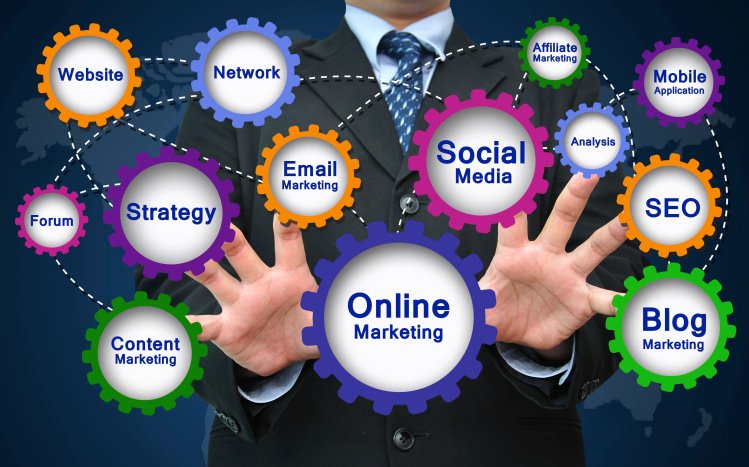
Online marketing has become a cornerstone of modern business, transforming the way brands reach, engage, and convert customers. Unlike traditional marketing channels, online marketing offers precision targeting, measurable outcomes, and adaptability that allow businesses to scale rapidly. For any organization aiming to thrive in today’s competitive landscape, understanding online marketing in depth is essential.
Data and audience insights play an important role in b2b marketing. Companies can evaluate campaign performance, refine messaging, and identify opportunities to create more relevant communications for prospective business customers.
What Is Online Marketing?
Online marketing, often referred to as digital marketing, encompasses all strategies and activities conducted via digital channels to promote products, services, or brands. This includes social media platforms, search engines, email campaigns, websites, video platforms, and mobile applications. The ultimate goal is to reach the right audience at the right time with personalized messaging that drives engagement and conversion.
Key components of online marketing include:
- Content Marketing: Crafting informative, engaging, and valuable content to attract and retain customers.
- Search Engine Optimization (SEO): Optimizing web pages to rank higher on search engine results pages (SERPs) for targeted keywords.
- Pay-Per-Click Advertising (PPC): Running paid campaigns on search engines or social platforms where advertisers pay per click or impression.
- Social Media Marketing: Leveraging platforms such as Facebook, Instagram, LinkedIn, and TikTok to build brand awareness and foster community engagement.
- Email Marketing: Sending personalized messages directly to a subscriber base to nurture relationships and drive conversions.
- Affiliate and Influencer Marketing: Collaborating with partners or influencers to promote products and expand reach.
The combination of these strategies allows businesses to create multi-channel campaigns that integrate awareness, engagement, and conversion into a cohesive marketing ecosystem.
Evolution of Online Marketing
Early Digital Marketing
The roots of online marketing trace back to the 1990s when businesses first explored the internet as a promotional medium:
- Email Campaigns: Businesses began sending newsletters and promotional emails to prospective customers.
- Banner Ads: Early forms of digital advertisements appeared on websites, focusing primarily on brand visibility.
- Basic Websites: Companies created simple websites to provide information and establish an online presence.
Growth of Search Engines and Social Media
The 2000s brought significant changes with the rise of search engines and social platforms:
- SEO Emergence: Companies realized that appearing on the first page of search engines was critical for visibility.
- Social Media Integration: Platforms like Facebook and Twitter allowed brands to engage directly with audiences, creating a two-way communication channel.
- Analytics and Metrics: Tools such as Google Analytics enabled marketers to measure engagement, traffic, and conversion more effectively.
Modern Online Marketing
Today, online marketing is driven by sophisticated technologies, consumer behavior insights, and data-driven decision-making:
- Programmatic Advertising: Automated systems now purchase and place digital ads in real-time, optimizing targeting and costs.
- Artificial Intelligence: AI powers personalization, predictive analytics, chatbots, and automated content generation.
- Omnichannel Marketing: Brands coordinate campaigns across multiple platforms to provide a consistent user experience.
- Mobile-First Strategies: With mobile devices dominating internet usage, mobile-friendly websites and apps have become essential.
Key Strategies in Online Marketing
Content Marketing
Content marketing is a core element of online marketing, focusing on delivering valuable content to attract and retain customers:
- Blogging: Educational or informational blog posts drive organic traffic and establish authority.
- Video Content: Videos on platforms like YouTube and social media engage audiences visually and emotionally.
- Infographics and Interactive Content: These enhance user engagement, making complex information digestible.
- Case Studies and Whitepapers: Provide in-depth insights that build credibility and encourage B2B conversions.
Effective content marketing is based on understanding audience needs, creating high-quality content, and optimizing distribution channels to maximize visibility.
Search Engine Optimization (SEO)
SEO ensures that content is discoverable by search engines, driving organic traffic and improving credibility:
- Keyword Research: Identifying terms your audience searches for to optimize website content.
- On-Page SEO: Optimizing headings, meta descriptions, internal linking, and image alt text.
- Off-Page SEO: Building backlinks from authoritative websites to enhance domain authority.
- Technical SEO: Ensuring fast loading times, mobile-friendliness, secure connections, and structured data for better indexing.
SEO is a long-term strategy, requiring consistent optimization and adaptation to search engine algorithms.
Pay-Per-Click Advertising (PPC)
PPC allows businesses to achieve immediate visibility by paying for ad placements on search engines or social platforms:
- Google Ads: Display ads, search ads, and shopping campaigns target specific keywords or demographics.
- Social Media Ads: Facebook Ads and LinkedIn Ads allow precise targeting based on interests, job titles, or behaviors.
- Retargeting Campaigns: Show ads to users who previously interacted with a website to encourage conversion.
- Performance Tracking: Monitoring cost per click (CPC), click-through rate (CTR), and conversion rate ensures ROI optimization.
PPC complements organic strategies by providing immediate traffic while long-term SEO efforts mature.
Social Media Marketing
Social media is central to modern online marketing due to its ability to connect brands with highly engaged audiences:
- Community Building: Brands foster relationships through comments, shares, and interactive content.
- Brand Storytelling: Platforms allow brands to convey their identity through visual and written narratives.
- Influencer Partnerships: Collaborating with influencers increases reach and credibility among target audiences.
- Paid Social Campaigns: Boosted posts and targeted ads enhance visibility and drive conversions.
Social media strategies must align with audience preferences, platform-specific trends, and content formats to succeed.
Email Marketing
Email marketing remains one of the most cost-effective ways to nurture leads and maintain customer relationships:
- Segmentation: Dividing audiences based on behavior or demographics ensures relevant messaging.
- Personalization: Customized emails increase engagement and click-through rates.
- Automation: Drip campaigns deliver content at scheduled intervals to guide leads through the sales funnel.
- Performance Metrics: Open rates, CTR, and conversion rates provide insight for continuous optimization.
Email marketing effectiveness depends on delivering value, maintaining consistent communication, and respecting subscriber preferences.
Analytics and Data-Driven Decision Making
Online marketing thrives on measurable results:
- Website Analytics: Tools like Google Analytics track traffic, user behavior, and conversions.
- Campaign Performance Metrics: Assessing impressions, clicks, and ROI informs strategy adjustments.
- A/B Testing: Comparing variations of content, ads, or email campaigns identifies the most effective approach.
- Predictive Analytics: AI algorithms forecast trends and optimize targeting strategies based on historical data.
Data-driven strategies ensure resources are allocated efficiently and marketing decisions are informed by evidence rather than intuition.
Emerging Trends in Online Marketing
Voice Search Optimization
With the rise of smart assistants like Alexa and Google Assistant, optimizing content for voice search is critical:
- Conversational Keywords: Tailoring content for natural language queries improves voice search rankings.
- Local SEO Integration: Many voice searches are location-based, emphasizing local relevance.
Artificial Intelligence and Automation
AI is transforming marketing by automating tasks and enhancing personalization:
- Chatbots: Provide real-time customer support and lead capture.
- Content Generation: AI tools assist in creating blog posts, email drafts, and social content.
- Predictive Customer Insights: Analyze behavior to anticipate needs and tailor campaigns.
Video and Interactive Content
Interactive experiences and video content dominate engagement metrics:
- Short-Form Videos: TikTok and Instagram Reels capture attention quickly and increase shareability.
- Webinars and Live Streams: Facilitate deeper engagement and real-time interaction.
- Interactive Quizzes and Tools: Encourage participation and data collection for personalized follow-ups.
Omnichannel Marketing
Creating a seamless experience across multiple platforms ensures consistent messaging:
- Integrated Campaigns: Align email, social media, paid ads, and website messaging.
- Cross-Platform Analytics: Measure engagement across all channels to refine strategies.
- Personalized Customer Journeys: Tailor content based on behavior across different touchpoints.
Challenges in Online Marketing
Despite its advantages, online marketing presents several challenges:
- Ad Fatigue: Oversaturation of ads can lead to audience disengagement.
- Privacy Regulations: Compliance with laws such as GDPR and CCPA is essential for trust and legal adherence.
- Algorithm Changes: Search engines and social platforms frequently update algorithms, affecting visibility.
- Competition: High competition requires continuous innovation and differentiation.
- Cybersecurity Risks: Protecting customer data from breaches is paramount.
Effective marketers anticipate challenges and employ proactive strategies to mitigate risks while maintaining audience trust.
Best Practices for Successful Online Marketing
- Audience Research: Understand demographics, preferences, and behavior to tailor campaigns.
- Consistent Branding: Maintain cohesive visual and messaging elements across all platforms.
- High-Quality Content: Prioritize value, relevance, and engagement over quantity.
- Continuous Optimization: Regularly assess metrics and refine strategies for maximum ROI.
- Integration of Channels: Ensure all digital touchpoints work together to create a unified experience.
- Ethical Practices: Respect user privacy, avoid deceptive tactics, and deliver authentic messaging.
FAQs About Online Marketing
1. What is the difference between online marketing and traditional marketing?
Online marketing uses digital channels like social media, search engines, and email, whereas traditional marketing relies on print, TV, radio, and in-person events. Online marketing allows for precise targeting, measurable results, and real-time adjustments.
**2. How can small businesses benefit from
online marketing?**
Small businesses can leverage cost-effective strategies like social media marketing, SEO, and email campaigns to reach targeted audiences, build brand recognition, and drive sales without large budgets.
3. What metrics should I track for online marketing success?
Key metrics include website traffic, conversion rates, click-through rates, engagement on social media, email open rates, and ROI for paid campaigns. Tracking these metrics helps optimize strategies and allocate resources effectively.
4. How often should online marketing strategies be updated?
Digital marketing requires ongoing updates. SEO should be refined regularly, ad campaigns monitored daily, social media content planned weekly, and overall strategy reviewed quarterly to adapt to trends and audience behavior.
5. Is online marketing suitable for all industries?
Yes, online marketing is adaptable to virtually all industries. Strategies vary by sector, audience, and goals, but every business can benefit from enhanced visibility, audience engagement, and measurable outcomes.
6. How important is mobile optimization in online marketing?
Mobile optimization is critical since a significant portion of online traffic originates from smartphones and tablets. Mobile-friendly websites, responsive design, and mobile-targeted ads improve user experience and search engine rankings.
7. Can AI replace human marketers?
AI enhances efficiency, personalization, and data analysis but cannot fully replace human creativity, strategic thinking, and relationship-building, which are essential for successful marketing campaigns.
Online marketing is a dynamic, multi-faceted discipline that requires a balance of creativity, analytics, and strategy. Businesses that master its principles can unlock substantial growth, build lasting customer relationships, and maintain a competitive edge in an increasingly digital marketplace.
 The Evolution of Live Streaming in Digital Marketing
  How Influencer Marketing Is Evolving
  Online Marketing: Strategies to Drive Growth and Maximize ROI
  Good reasons to Hire a web-based Marketing Company
  Selecting the very best Internet Marketing Company
  The Essence Of Internet Marketing Specialist For Small Company
  A Comprehensive Guide to Modern WiFi Technology
  How Content Delivery Networks Speed Up the Web
  The Evolution of Operating Systems Across Platforms