

How the top B2B web design agencies Align Websites With Marketing and Sales
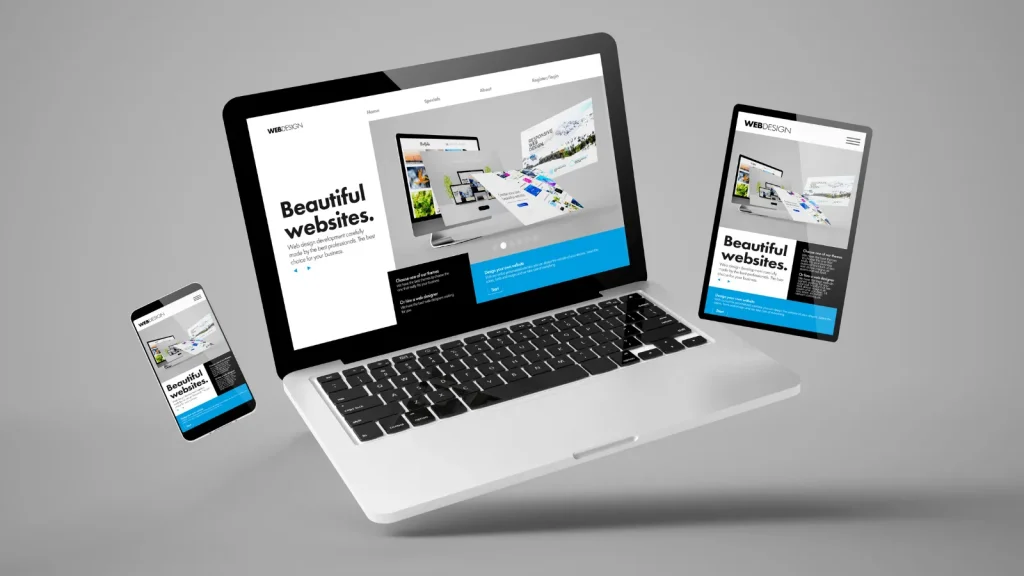
A B2B website sits between marketing activity and sales engagement. Campaigns direct potential customers to it, while sales teams rely on it to explain services, provide evidence, and support follow-up conversations. If the website is planned without input from both departments, it may attract attention without helping suitable buyers progress.
A review of the top B2B web design agencies can help decision-makers understand current approaches to corporate website design, including user experience, brand communication, and conversion-oriented page structures.
Establish Shared Objectives
Marketing and sales may evaluate the website differently. Marketing may focus on traffic, engagement, and conversions, while sales cares about enquiry quality and opportunity progression.
The redesign should establish objectives both teams understand. These may include attracting priority industries, improving service comprehension, supporting sales conversations, or increasing qualified consultation requests.
Shared objectives also guide decisions about content, navigation, forms, and measurement.
Learn From Sales Conversations
Sales teams speak directly with prospects and understand the questions that arise during evaluation. Their experience can reveal missing information and common objections.
Website planning workshops can collect these insights. If prospects repeatedly ask how implementation works, the website may need a detailed process page. If buyers misunderstand a service, its positioning requires improvement.
Sales input should complement customer research and website data rather than replace them.
Map Campaign Journeys
Marketing campaigns should direct visitors to pages that continue the message they have already encountered.
A campaign promoting a specific solution needs a relevant landing page, supporting evidence, and an appropriate next step. Sending every campaign to the homepage forces visitors to locate the information themselves.
Agencies can help map journeys from advertisements, email, events, and content to suitable website destinations.
Develop Sales Enablement Content
Case studies, comparison guides, implementation overviews, technical resources, and service summaries can support both website visitors and sales representatives.
These resources should be easy to locate, share, and understand without additional explanation. Sales teams can use them after meetings to answer questions or involve new stakeholders.
A connected content system prevents marketing and sales from creating different materials that communicate conflicting messages.
Improve Form Strategy
A form should collect enough information for a relevant response while remaining appropriate to the visitor’s level of intent.
An early-stage resource download may need only basic details. A consultation request can ask about the organisation, challenge, service interest, and desired timeframe.
Marketing and sales should agree on which fields provide useful qualification information and how enquiries will be routed.
Connect the Website With the CRM
CRM integration can give sales teams context about an enquiry. Useful information may include the campaign source, requested service, downloaded resource, and details submitted through the form.
The project should define how records are created, matched, assigned, and protected. Confirmation emails and internal notifications also need testing.
A reliable integration reduces manual work and helps teams respond more effectively.
Create Relevant Calls to Action
Different visitors may be ready for different actions. Some want to read a case study, while others want technical documentation, pricing guidance, or a direct consultation.
Calls to action should reflect page intent. A service page may emphasise a consultation, while a detailed resource can suggest related content or an assessment.
Clear wording helps visitors understand what they will receive and what commitment is required.
Measure Commercial Progress
Website measurement should extend beyond page views and form totals. Marketing and sales can review which pages and campaigns generate accepted leads, qualified opportunities, and useful sales conversations.
Feedback from sales is essential because analytics cannot independently determine whether a lead is suitable.
Regular reviews can identify pages that attract interest but fail to answer important questions or encourage the next step.
Maintain Alignment After Launch
Services, campaigns, and customer priorities change over time. Marketing and sales should continue sharing insights so the website remains accurate and useful.
A regular review process can identify new objections, content gaps, or opportunities to improve conversion paths.
When a website reflects both marketing strategy and sales reality, it becomes more than a digital brochure. It can attract appropriate audiences, support buyer research, and give sales teams better-informed opportunities.
 Buy Backlinks to Improve Domain Authority and Search Visibility
  How Wearables Are Reframing the Caloric Output Data From Zumba Classes in Singapore
  AI-Driven Retention Prediction: How Singapore’s Yoga Class Booking Platforms Identify and Re-Engage Lapsing Members
  Top Battery Packs and Portable Power Solutions
  Best Photo to Video AI and Free AI Face Swap Tools of 2026 (Founder-Tested Guide)
  How to Get WiFi for an Event: Planning, Solutions, and Best Practices
  A Comprehensive Guide to Modern WiFi Technology
  How Content Delivery Networks Speed Up the Web
  The Evolution of Live Streaming in Digital Marketing
  The Evolution of Operating Systems Across Platforms