

How to Get WiFi for an Event: Planning, Solutions, and Best Practices
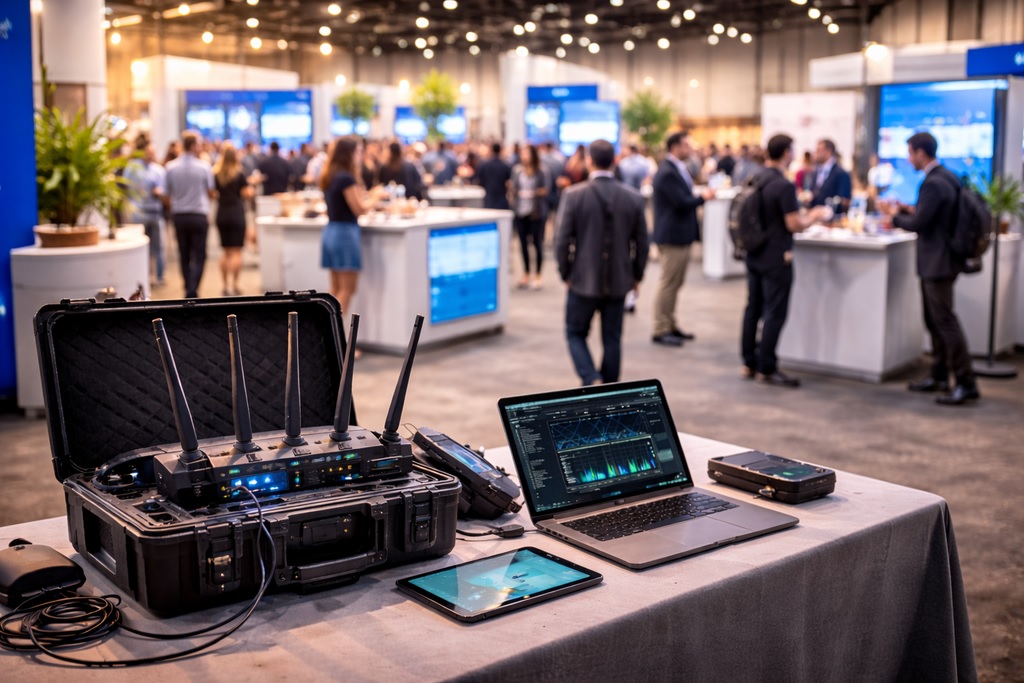
Reliable internet connectivity is a cornerstone of modern events, yet it remains one of the most challenging aspects of event planning. From corporate conferences to trade shows, concerts, and multi-day conventions, attendees, vendors, and organizers expect stable WiFi access for mobile apps, live demos, point-of-sale systems, and digital ticketing. Understanding how to get WiFi for an event requires both technical knowledge and strategic planning, particularly when the venue itself may not provide adequate infrastructure.
Understanding the Challenges of Event WiFi
Unlike permanent office environments or convention centers with built-in networking, temporary event spaces present unique connectivity challenges:
- High Density of Devices: The average attendee carries multiple devices, including smartphones, tablets, and wearables. At events with tens of thousands of attendees, this can translate into tens of thousands of simultaneous connections.
- Variable Bandwidth Demand: Different users and systems generate varied traffic. Vendors may rely on real-time inventory systems, while attendees stream video, upload social media content, or use event apps.
- Environmental Factors: Stages, tents, partitions, and lighting rigs can interfere with wireless signals, while outdoor venues may suffer from RF reflection, absorption, or interference from nearby electronics.
- Limited Venue Resources: Even convention centers often under-provision their WiFi, focusing on coverage rather than capacity, leaving exhibitors and organizers struggling during peak hours.
A survey by the Center for Exhibition Industry Research (CEIR) found that 68% of exhibitors report WiFi challenges during trade shows, often impacting the performance of live demos or sales systems. For organizers, this translates into dissatisfied participants and potential revenue loss.
Planning WiFi for Your Event
Proper planning is the first step when figuring out how to get WiFi for an event. This process includes assessing attendee numbers, anticipated device usage, and specific operational needs. Organizers should ask:
- How many concurrent devices will require connectivity?
- What applications or systems are critical (e.g., registration, payment processing, demo software)?
- Are there security requirements for sensitive data?
- What is the venue’s current infrastructure, and how can it be augmented?
Site surveys are essential. By evaluating RF conditions, potential interference, and coverage gaps, planners can anticipate challenges before attendees arrive. Understanding the layout of the venue, including high-traffic areas, stages, and booths, allows network engineers to optimize access point placement and reduce dead zones.
Mobile and Portable Internet Solutions
One increasingly popular method for securing reliable connectivity is the deployment of mobile and portable internet solutions. These systems use bonded cellular networks, combining multiple LTE or 5G connections to provide dedicated, high-performance bandwidth.
Benefits include:
- Consistent Performance: Isolated networks reduce congestion compared to shared venue WiFi.
- Rapid Deployment: Pre-configured kits can be set up quickly, minimizing labor and setup time.
- Redundant Connectivity: Using multiple carriers ensures that service continues even if one network is degraded.
- Secure Networks: Encrypted and segmented connections protect sensitive vendor and attendee data.
TradeShowInternet’s solutions exemplify this approach. By offering portable WiFi systems tailored for exhibitors, registration desks, small offices, and temporary meeting spaces, they demonstrate how mobile internet can solve the most common challenges faced when planning an event network.
Steps to Get WiFi for Your Event
- Define Requirements: Determine the number of users, types of devices, and applications that will rely on connectivity. Include staff, vendors, and attendees in your calculations.
- Assess Venue Infrastructure: Understand what existing wired or wireless resources are available, and identify areas where additional coverage is necessary.
- Select Technology: Decide whether to supplement the venue’s network, deploy dedicated portable kits, or rely entirely on bonded cellular solutions.
- Plan Layout: Position access points or portable kits strategically to maximize coverage and minimize interference. Consider high-density areas such as main stages, demo booths, and registration desks.
- Implement Security Measures: Use private networks, VLAN segmentation, and encryption to protect data and comply with regulations such as PCI DSS.
- Monitor Performance: During the event, track network usage, bandwidth consumption, and client connections in real time. Adjust as needed to prevent congestion.
- Post-Event Review: Analyze data to understand usage patterns, identify bottlenecks, and refine the approach for future events.
Vendor and Exhibitor Considerations
Exhibitors often require reliable, dedicated connectivity to demonstrate products, process payments, or manage on-site operations. Relying solely on venue WiFi or public networks can lead to:
- Transaction failures at POS systems
- Delayed live demos due to slow uploads or network interruptions
- Frustrated attendees and lost opportunities for engagement
Portable internet kits address these risks by creating isolated networks for exhibitors. Vendors benefit from predictable bandwidth, low latency, and secure connections, allowing them to operate as they would in a controlled office environment.
Security Implications
Event WiFi often handles sensitive information, including payment data, registration details, and confidential business communications. Open or improperly managed networks can lead to:
- Data interception
- Unauthorized access to devices
- Rogue access points introduced by attendees
Using portable or mobile internet solutions allows event organizers to enforce security policies, encrypt traffic, and segregate network segments, mitigating risks while maintaining operational efficiency.
Data-Driven Network Design
Proper network design incorporates metrics and predictive modeling:
- Concurrent Client Estimates: Calculate expected device loads to ensure access points are not overwhelmed.
- Throughput Planning: Allocate sufficient bandwidth for critical applications such as live video or cloud-based software.
- Coverage Analysis: Evaluate RF conditions across the venue to avoid dead zones.
- Redundancy Planning: Deploy multiple carriers or paths to prevent single points of failure.
According to Cisco’s 2024 Event Connectivity Report, events that plan networks with multi-carrier redundancy and client segmentation experience 35–50% fewer connectivity issues compared to relying solely on venue-provided infrastructure.
Emerging Trends
Several trends are shaping how organizers approach WiFi at events:
- Hybrid Events: Combining in-person and virtual participation increases bandwidth requirements and uplink demand.
- IoT Integration: Connected devices for crowd management, environmental monitoring, and interactive experiences generate additional network traffic.
- Interactive Applications: AR/VR, live polling, and event apps demand low-latency, high-throughput connections.
- Analytics and Monitoring: Real-time dashboards for organizers help dynamically allocate bandwidth and monitor performance during the event.
Mobile and portable internet solutions, support these innovations by providing reliable, adaptable connectivity for complex, high-density event environments as mentioned on TradeShowInternet’s “How to get wifi for an event” blog post.
Knowing how to get WiFi for an event is no longer about simply plugging into venue infrastructure. Modern events require a strategic approach, combining predictive planning, security measures, and adaptable technologies. Mobile internet solutions, including portable and carrier-bonded systems, provide dedicated, high-performance networks that keep exhibitors, attendees, and staff connected.
By leveraging these approaches, event organizers can ensure reliable connectivity, enhance attendee experiences, and reduce operational disruptions. TradeShowInternet’s solutions exemplify how portable, flexible internet systems allow events to operate smoothly, regardless of venue limitations or network density.
 Buy Backlinks to Improve Domain Authority and Search Visibility
  How Wearables Are Reframing the Caloric Output Data From Zumba Classes in Singapore
  AI-Driven Retention Prediction: How Singapore’s Yoga Class Booking Platforms Identify and Re-Engage Lapsing Members
  Top Battery Packs and Portable Power Solutions
  Best Photo to Video AI and Free AI Face Swap Tools of 2026 (Founder-Tested Guide)
  Why Technology Leadership Requires Ethical Awareness
  A Comprehensive Guide to Modern WiFi Technology
  How Content Delivery Networks Speed Up the Web
  The Evolution of Live Streaming in Digital Marketing
  The Evolution of Operating Systems Across Platforms