

How Wearables Are Reframing the Caloric Output Data From Zumba Classes in Singapore
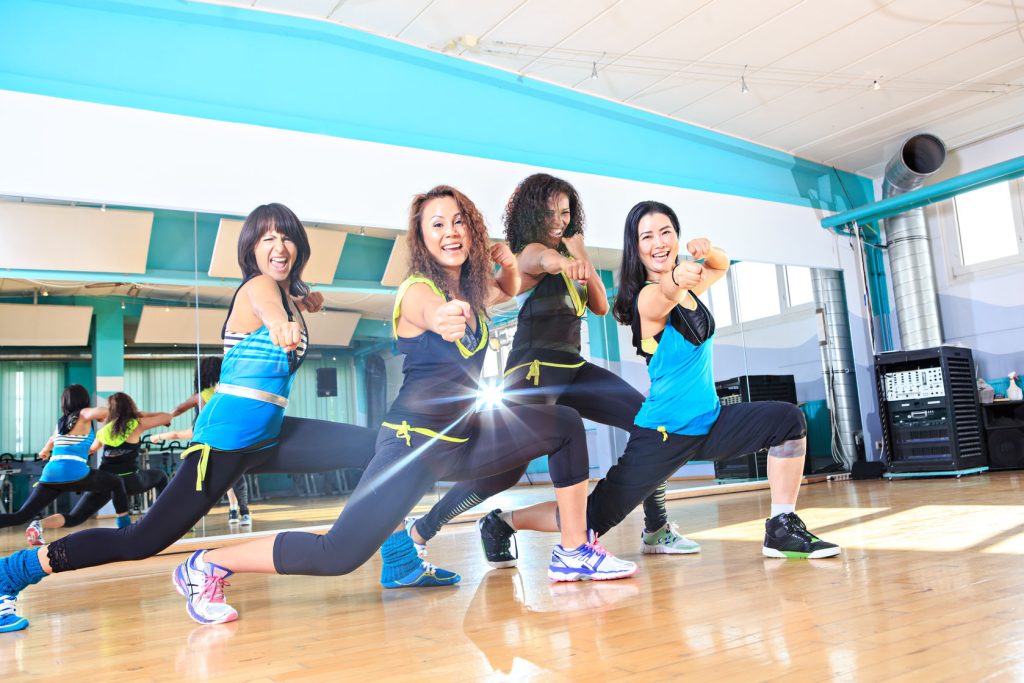
The question of how many calories a Zumba classes singapore gyms offer actually burns has historically been answered by broad estimates derived from metabolic equivalents assigned to dance-based exercise categories, estimates that apply population averages to individual experiences with limited precision. The proliferation of wearable fitness technology among Singapore’s active population is changing this picture, providing individual-level caloric output data that reveals significant variation between participants in the same class and challenges the generic estimates that online calorie calculators and class marketing materials have perpetuated.
What Wearable Data Is Revealing About Individual Zumba Caloric Output
Wearable fitness devices including smartwatches and fitness bands worn by Singapore Zumba participants during classes are generating an accumulating body of real-world data that exercise scientists are beginning to characterise with increasing precision. The individual variation this data reveals is one of the most practically significant insights emerging from mass-market wearable adoption.
The Variation Range in Measured Caloric Output
Among Singapore adults attending equivalent Zumba sessions, wearable-measured caloric output estimates vary by a factor of two to three between the lowest and highest individual outputs. A sixty-minute Zumba session that produces two hundred and fifty kilocalories of estimated expenditure for one participant may produce five hundred kilocalories for another participant in the same class at comparable subjective effort levels.
This variation reflects genuine physiological differences including body mass, which directly determines the energy cost of moving the body through space, cardiovascular fitness level, which affects how efficiently the cardiovascular system meets the metabolic demands of the exercise, individual metabolic rate, and the specific intensity at which each participant executes the choreographic sequences within the class.
The practical implication is that generic Zumba caloric estimates applied uniformly, whether from app databases or fitness class marketing materials, provide poor guidance for nutritional management decisions relative to individual wearable measurement data calibrated to each person’s actual physiological response.
The Accuracy Question: What Wearables Get Right and Wrong About Zumba
The accuracy of wearable caloric estimates during Zumba presents specific challenges that differ from steady-state cardiovascular exercise contexts where wearable accuracy has been more thoroughly validated.
The Arm Movement Challenge
Zumba’s choreographic arm movements create significant motion artefact in wrist-based optical heart rate sensors, which use the optical detection of blood volume changes beneath the skin to infer heart rate. Rapid and varied arm movements during Zumba choreography compress and release the sensor against the skin in ways that produce spurious heart rate readings, creating heart rate data variability that does not reflect true cardiovascular response and therefore produces inaccurate caloric estimates during movement-intensive sequences.
Chest strap heart rate monitors avoid this limitation by detecting the electrical activity of the heart directly through electrode contact with the chest wall, producing accurate beat-to-beat heart rate data regardless of arm movement. Singapore Zumba participants who use chest strap monitors alongside their wearable display devices obtain substantially more accurate caloric estimates during classes than those relying on wrist-based optical sensing alone.
Algorithm Sophistication and Activity Recognition
Wearable devices vary considerably in their algorithm sophistication for dance-based activity recognition. Devices that apply a single metabolic equivalent value to all activities categorised as dance produce flat caloric estimates that do not reflect the intensity variation of Zumba’s interval structure. More sophisticated devices that continuously update caloric estimates based on real-time heart rate changes capture the intensity fluctuation of Zumba more accurately, producing caloric estimates that better reflect the actual metabolic demand of each class section.
True Fitness Singapore supports members in making sense of their wearable data in the context of their Zumba participation, providing the coaching environment and member education that helps translate quantified self data into practical decisions about training and nutrition management. True Fitness Singapore recognises that wearable technology is most valuable when members understand both its capabilities and its limitations in specific exercise contexts.
FAQs
Q. – My wearable shows very different caloric estimates for Zumba compared to my training partner’s device in the same class. Which one should I trust?
Ans. – Neither individual device reading should be treated as precisely accurate, but comparing relative session intensity between your own sessions is more valid than comparing absolute caloric values between different people’s devices. The variation between your device and your training partner’s reflects genuine individual physiological differences in caloric expenditure combined with device algorithm differences and potential sensor accuracy differences. Using your own device’s readings consistently to track relative effort between your own Zumba sessions is the most practically useful application of this data, rather than treating the absolute values as precise measurements or comparing them against another person’s readings.
Q. – My wearable shows much lower caloric expenditure for Zumba than for running at what feels like equivalent effort. Is this accurate?
Ans. – This difference likely reflects genuine physiological reality rather than device error. Running is one of the highest caloric expenditure per unit of time activities because it requires supporting the full body mass against gravity through a ballistic gait cycle with significant vertical displacement. Zumba’s lateral and rotational movements, while cardiovascularly engaging, involve less vertical displacement and continuous impact than running, producing lower caloric expenditure per minute at comparable cardiovascular intensity. If your Zumba sessions feel equivalently effortful to running sessions but produce lower caloric estimates, the estimates are likely directionally accurate even if not precisely calibrated.
Q. – Should I eat differently on Zumba class days versus non-training days based on my wearable’s caloric output data?
Ans. – Yes, and wearable caloric output data provides a useful relative reference for calibrating this adjustment even given its absolute accuracy limitations. Zumba class days that your wearable estimates as producing three hundred to five hundred kilocalories of additional expenditure above resting levels warrant modest upward adjustment of caloric intake relative to sedentary days, specifically through additional carbohydrate intake to support glycogen replenishment and additional protein intake to support the muscle maintenance function that exercise demands. The precision of this adjustment should be calibrated to your wearable’s relative rather than absolute accuracy, using the data to indicate that class days need more food than rest days without treating the specific caloric number as a precise offset target.
Q. – How can I use my wearable to track improvement in my Zumba fitness over time?
Ans. – The most reliable wearable-based fitness progress indicator for Zumba is the heart rate response to a standardised class over time. As your cardiovascular fitness improves through consistent Zumba attendance, your average heart rate during a class of equivalent intensity will progressively decline, reflecting your improved cardiovascular efficiency at meeting the same metabolic demand. Tracking average heart rate across comparable Zumba sessions using the same class format and instructor, noting the downward trend over weeks and months, provides an objective indicator of cardiovascular adaptation that wearable data captures reliably even given its absolute caloric accuracy limitations.
Q. – My wearable has a specific Zumba activity mode. Is this more accurate than using a generic dance or cardio mode?
Ans. – Activity-specific modes on wearables that have developed them for Zumba typically use metabolic equivalent values and heart rate correction algorithms calibrated to research on Zumba-specific energy expenditure rather than generic dance or aerobic exercise data. This specificity generally produces better caloric estimates than generic modes for Zumba participation, though the accuracy improvement depends on how well the device manufacturer’s Zumba-specific algorithm was developed and validated. If your device offers a Zumba-specific mode, using it is preferable to generic cardio modes. If it does not, an aerobic or dance mode with real-time heart rate integration provides a reasonable alternative.
 Buy Backlinks to Improve Domain Authority and Search Visibility
  AI-Driven Retention Prediction: How Singapore’s Yoga Class Booking Platforms Identify and Re-Engage Lapsing Members
 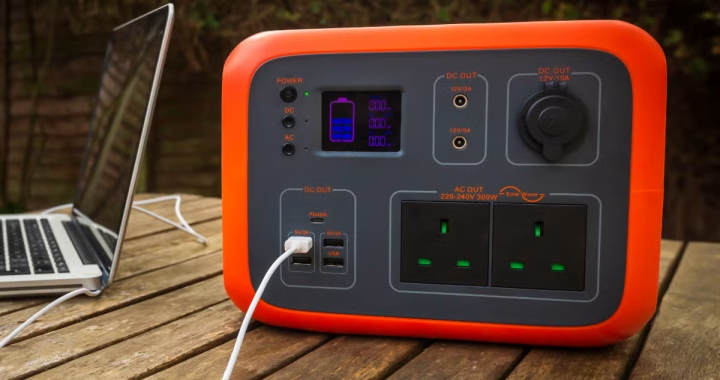 Top Battery Packs and Portable Power Solutions
 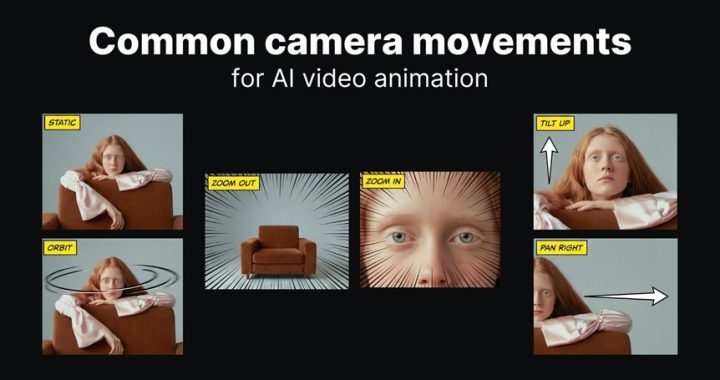 Best Photo to Video AI and Free AI Face Swap Tools of 2026 (Founder-Tested Guide)
 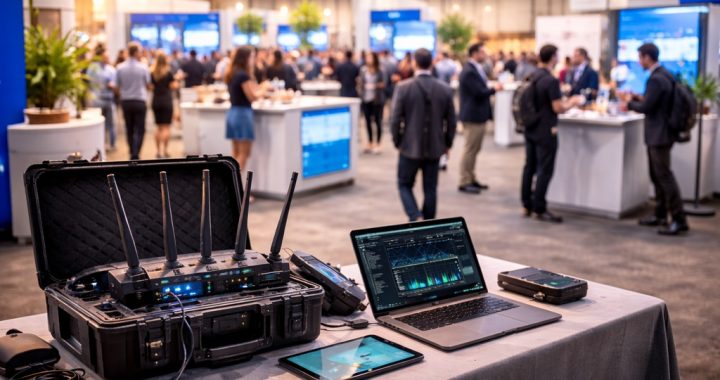 How to Get WiFi for an Event: Planning, Solutions, and Best Practices
  Why Technology Leadership Requires Ethical Awareness
  A Comprehensive Guide to Modern WiFi Technology
  How Content Delivery Networks Speed Up the Web
  The Evolution of Live Streaming in Digital Marketing
  The Evolution of Operating Systems Across Platforms