

Software: The Backbone of Modern Technology and Innovation
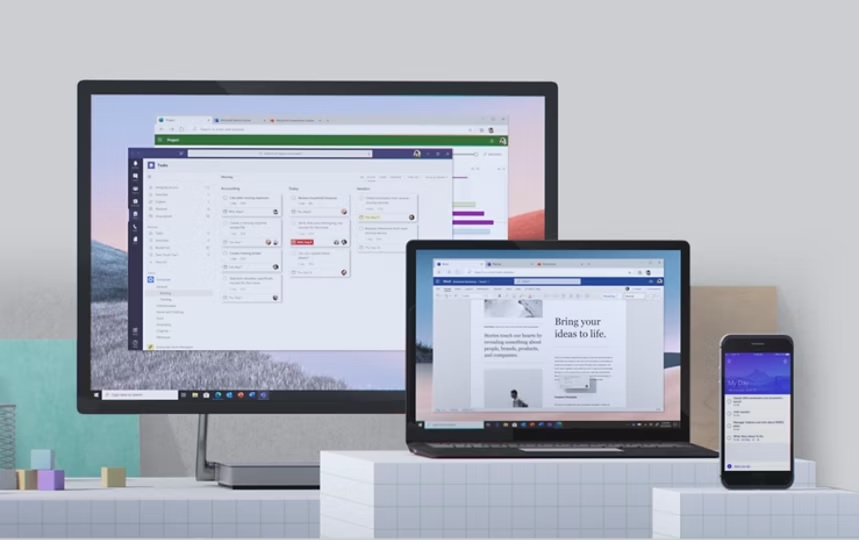
Software is the driving force behind the digital world, powering devices, applications, and systems that define modern life. From the smartphones in our pockets to complex enterprise solutions, software enables functionality, efficiency, and innovation across industries. Understanding software in depth is essential for professionals, businesses, and even everyday users who interact with digital tools daily.
A trusted software testing outsourcing company offers flexibility, scalability, and specialized expertise. They handle functional, regression, and performance testing efficiently. This approach allows organizations to focus on core development activities while ensuring that every software component meets quality and security standards before deployment.
What Is Software?
Software is a set of instructions, programs, or code that enables computers, devices, and digital systems to perform specific tasks. Unlike hardware, which refers to the physical components of a system, software is intangible and provides the intelligence and functionality that hardware alone cannot deliver. Software can range from operating systems that manage hardware resources to applications that allow users to perform specialized tasks.
Key types of software include:
- System Software: Software that manages hardware and provides a platform for other software, such as operating systems and utility programs.
- Application Software: Programs designed for end-users to perform tasks, including word processors, web browsers, and accounting software.
- Development Software: Tools that assist programmers in writing, testing, and debugging code, such as IDEs (Integrated Development Environments) and compilers.
- Middleware: Software that acts as a bridge between different applications or between applications and databases to facilitate communication and data management.
Software can also be categorized by distribution models, including proprietary software, open-source software, and cloud-based software. Each category has unique advantages, licensing models, and use cases.
The Evolution of Software
Early Software Development
In the 1940s and 1950s, software was closely tied to the hardware it ran on. Programmers wrote machine code and assembly language to instruct computers, which were large, expensive, and limited in functionality.
- Batch Processing: Early systems processed tasks in batches without real-time interaction.
- Punch Cards: Programs were input via punch cards, a labor-intensive and error-prone method.
Despite limitations, these early efforts laid the foundation for structured programming and higher-level languages that emerged later.
Rise of High-Level Languages
The 1960s and 1970s saw the introduction of high-level programming languages like Fortran, COBOL, and C. These languages abstracted complex hardware instructions, making software development more accessible and efficient.
- Structured Programming: Encouraged modular, logical, and reusable code.
- Operating Systems: UNIX and other early OSs standardized hardware interaction.
- Mainframe Applications: Software began to support business operations, such as payroll and inventory management.
Personal Computing Era
The 1980s and 1990s marked the proliferation of personal computers, transforming software into consumer-centric products:
- Graphical User Interfaces (GUIs): Made computers more user-friendly with visual interfaces.
- Desktop Applications: Productivity software like spreadsheets, word processors, and design tools became mainstream.
- Internet Integration: Software began incorporating networking capabilities, enabling early online communication and information sharing.
Modern Software Ecosystem
Today, software is omnipresent, powering not only computers and smartphones but also IoT devices, cloud platforms, artificial intelligence, and large-scale enterprise systems:
- Mobile Applications: Millions of apps enable communication, entertainment, commerce, and productivity on mobile devices.
- Cloud Computing: Software as a Service (SaaS) provides scalable solutions hosted online, reducing dependency on local hardware.
- AI and Machine Learning Software: Advanced software can process data, make predictions, and automate complex tasks.
- Cross-Platform Development: Modern software often runs seamlessly across multiple devices and operating systems, enhancing accessibility.
Key Types of Software
System Software
System software manages hardware resources and provides essential services for application software:
- Operating Systems (OS): Platforms like Windows, macOS, Linux, and Android control hardware, memory, storage, and peripheral devices.
- Device Drivers: Enable communication between the OS and hardware components.
- Utility Software: Includes antivirus programs, file management tools, and backup utilities to optimize system performance.
System software serves as the foundation for all other software, ensuring stability, security, and efficiency.
Application Software
Application software allows users to perform specific tasks, enhancing productivity and user experience:
- Productivity Tools: Word processors, spreadsheets, and presentation software streamline daily tasks.
- Design and Multimedia Software: Applications for graphic design, video editing, and 3D modeling support creative professionals.
- Enterprise Software: ERP (Enterprise Resource Planning), CRM (Customer Relationship Management), and HRM (Human Resource Management) software improve business operations.
- Gaming Software: Entertainment software provides interactive experiences for consoles, PCs, and mobile devices.
Applications can be web-based, desktop-based, or mobile-based, each with distinct development and deployment considerations.
Development Software
Software development tools assist programmers in writing efficient, maintainable, and error-free code:
- Integrated Development Environments (IDEs): Combine code editors, compilers, and debuggers in one platform.
- Version Control Systems: Tools like Git manage code changes and enable collaboration among developers.
- Testing Tools: Automated testing frameworks ensure software reliability, security, and performance.
- Frameworks and Libraries: Provide reusable components, reducing development time and ensuring consistency.
Development software is essential for building robust, scalable, and secure applications in today’s fast-paced tech landscape.
Middleware
Middleware bridges gaps between applications, databases, and networks:
- Application Servers: Facilitate communication between client applications and backend databases.
- Message Brokers: Enable asynchronous communication and data exchange across systems.
- API Management Software: Streamlines interactions between different applications and services.
Middleware ensures that complex software ecosystems operate cohesively, improving interoperability and efficiency.
Software Development Life Cycle (SDLC)
Creating high-quality software requires a structured approach, typically defined by the Software Development Life Cycle:
- Requirement Analysis: Identifying user needs and defining functional and non-functional requirements.
- Design: Creating architectural blueprints, user interfaces, and data models.
- Implementation: Writing code based on design specifications.
- Testing: Verifying functionality, security, performance, and compatibility.
- Deployment: Installing the software in the target environment for end-users.
- Maintenance and Updates: Continuously improving and fixing software to address bugs, security vulnerabilities, and evolving requirements.
Adhering to SDLC principles ensures predictable development, quality assurance, and long-term maintainability.
Emerging Trends in Software
Cloud-Based Solutions
Cloud software enables access from any device with an internet connection:
- SaaS Platforms: Deliver scalable, subscription-based software applications.
- Collaborative Tools: Cloud-based productivity software supports real-time teamwork across global teams.
Artificial Intelligence Integration
Software is increasingly leveraging AI to deliver smarter, automated solutions:
- Predictive Analytics: AI algorithms analyze historical data to forecast trends.
- Automation Tools: AI-driven software can automate repetitive tasks in industries such as finance, healthcare, and manufacturing.
Open Source Development
Open source software encourages collaboration, transparency, and rapid innovation:
- Community Contributions: Developers worldwide contribute to feature enhancements and bug fixes.
- Flexibility: Organizations can customize open-source software to meet specific needs.
Security and Privacy Focus
As cyber threats increase, software is incorporating robust security and privacy measures:
- Encryption: Protects data during transmission and storage.
- Authentication and Access Control: Ensures only authorized users can access sensitive systems.
- Regular Updates: Patch vulnerabilities to prevent exploitation by attackers.
Challenges in Software
Software development and deployment face numerous challenges:
- Complexity Management: Large software systems require careful planning to avoid errors and inefficiencies.
- User Experience Design: Ensuring software is intuitive and meets user expectations is critical for adoption.
- Compatibility Issues: Supporting multiple devices, platforms, and browsers adds complexity.
- Security Threats: Cyberattacks target vulnerabilities in software, making continuous monitoring essential.
- Cost and Time Constraints: Developing high-quality software requires significant resources and planning.
Addressing these challenges requires a combination of skilled developers, effective project management, and adherence to best practices.
Best Practices for Software Development
- Agile Methodology: Encourages iterative development, frequent feedback, and adaptability to change.
- Code Reviews and Testing: Ensure code quality, functionality, and maintainability.
- User-Centric Design: Focus on usability and accessibility to improve user satisfaction.
- Documentation: Detailed documentation supports maintenance, collaboration, and future updates.
- Continuous Integration and Deployment (CI/CD): Automates build, test, and deployment processes for faster delivery.
- Security by Design: Integrating security practices into the development process reduces vulnerabilities.
FAQs About Software
1. What is the difference between system software and application software?
System software manages hardware resources and provides a platform for other software, while application software allows users to perform specific tasks such as word processing, graphic design, or web browsing.
2. Why is software testing important?
Testing ensures that software functions correctly, is secure, performs efficiently, and meets user requirements. It reduces the risk of errors, failures, and security vulnerabilities.
3. What is the difference between proprietary and open-source software?
Proprietary software is owned by an organization and requires a license to use, while open-source software is publicly available, allowing users to modify, distribute, and contribute to its development.
4. How does cloud-based software differ from traditional software?
Cloud-based software is hosted on remote servers and accessed via the internet, offering scalability,
collaboration, and lower upfront costs. Traditional software is installed locally on devices and may require hardware upgrades for scaling.
5. What is the role of middleware in software systems?
Middleware facilitates communication and data exchange between applications, databases, and networks, ensuring interoperability and seamless operation across complex systems.
6. How is artificial intelligence changing software development?
AI enhances software capabilities by enabling automation, predictive analytics, personalized experiences, and intelligent decision-making. It also helps optimize development processes and improve efficiency.
7. What are some emerging trends in software development?
Trends include cloud computing, AI integration, open-source collaboration, mobile-first development, security-focused design, and continuous integration and deployment practices.
Software is an essential pillar of modern technology, driving innovation, efficiency, and connectivity across industries. Understanding its types, development processes, emerging trends, and best practices equips professionals and organizations to leverage software effectively for growth, productivity, and competitive advantage.
 The Evolution of Operating Systems Across Platforms
  How Legacy Software Modernization Reduces Tech Debt
  What’s the Meaning of Software Applications?
  7 Tips When Choosing Software Online
  Six Steps to reduce Software Applications
 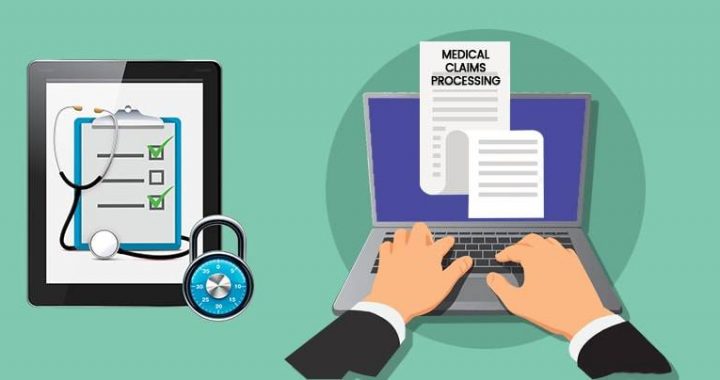 Learn About Claims Processing Software
  A Comprehensive Guide to Modern WiFi Technology
  How Content Delivery Networks Speed Up the Web
  The Evolution of Live Streaming in Digital Marketing